Installing a dishwasher starts with assessing space and selecting a model that fits the cabinet and hookups. Prepare the workspace with tools, safety gear, and measurement guides. Shut off water and power, then disconnect the old unit and inspect for damage. The new appliance must be leveled, connected to water and drain lines, and wired with care. After setup, test for leaks and door sealing before it becomes part of daily use, but the next step holds important considerations.
Assess Your Space and Choose the Right Dishwasher
Assessing available space and matching a dishwasher to the layout are the first steps. The reader evaluates cabinet width, plumbing access, and floor clearance, then selects capacity and installation type. Budget options guide initial choices, while noise considerations inform motor and insulation priorities. Decisions should balance efficiency, budget, and freedom to adapt kitchen flow without compromising performance. Practical, concise criteria ensure a suitable fit.
Gather Tools, Supplies, and Prepare for Installation
Before proceeding with installation, gather the necessary tools, supplies, and reference materials to ensure a smooth workflow.
The team identifies idea one and idea two as core priorities: a level surface, power and water access, and reference guides.
Organize components, measuring tape, utility knife, screwdriver, and plumber’s tape.
Prepare a dedicated workspace, safety gear, and a clear plan for staging steps.
Disconnect the Old Machine and Prep the Cabinet
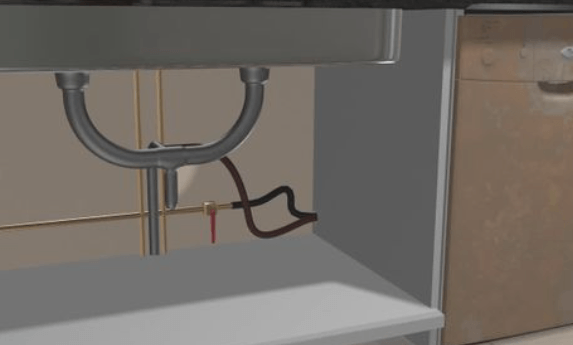
Disconnecting the old dishwasher and preparing the cabinet requires a methodical, stepwise approach: first, shut off the hot water supply, then turn off the circuit breaker or remove the fuse feeding the unit and verify there is no power. Inspect old wiring, perform mold check, note repair options, and ensure cabinet fit for future installation.
Install, Connect, and Test Your New Dishwasher
Installing and connecting the new dishwasher follows a precise sequence to ensure proper operation and safety.
The process emphasizes install considerations, securing the unit, level mounting, and proper clearance.
Connect water supply, drain, and electrical wiring with caution, avoiding wiring complications.
Test for leaks, verify drainage, and ensure door alignment, then run a short cycle to confirm performance and safety compliance.
See also: Space Technology and Humanity
Conclusion
In the quiet hum of the new dishwasher, the cabinet holds its breath. Wrenches gleam, pipes are aligned, and a careful seal is set in place. The tester waits, watching the first spray of water circle the basin, a promise of clean dishes just beyond the threshold. One misstep could betray the balance—yet everything remains steady, almost clinical. As the door closes on final checks, the room exhales, and the outcome waits, poised between certainty and the unknown.