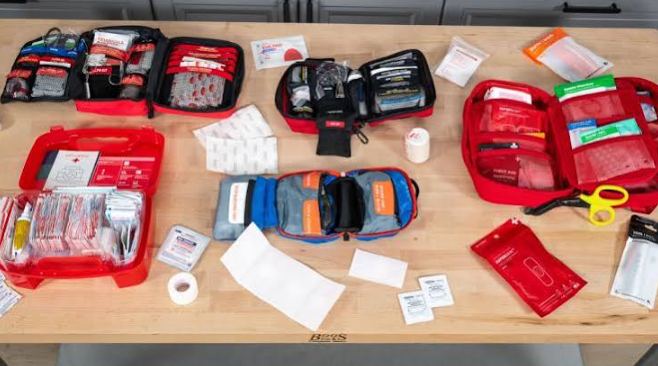
Emergency pressure dressings are designed to support wound care in situations where bleeding must be managed promptly. Different products may combine wound pads, wrapping materials, pressure-applying components, or additional features. Because their designs vary, organizations should review the intended use and instructions of each product before including it in a trauma kit.
A careful comparison is particularly important for workplace safety teams, emergency response organizations, medical distributors, and training providers. The objective is to select suitable products, maintain reliable inventory records, and ensure that users understand the equipment available to them.
What Is an Emergency Pressure Dressing?
A pressure dressing is intended to help apply and maintain pressure over a wound according to its design. Some models integrate several components into one package, while others use a more traditional dressing and wrapping arrangement.
The correct choice depends on the product’s intended use, the nature of the injury, the user’s training, and relevant medical guidance. Serious bleeding requires prompt emergency assistance, and dressings should not be treated as substitutes for professional medical assessment.
Understanding Israeli Bandages and OLAES Dressings
Israeli bandages and OLAES dressings are names associated with different emergency pressure-dressing products. Their specific components and features depend on the exact model, so buyers should review current manufacturer documentation rather than rely on category labels alone.
An Israeli bandage vs OLAES comparison should consider documented construction, intended use, instructions, packaging, and any relevant evidence. It should not assume that the products are interchangeable or that one is automatically preferable in every situation.
See also: Smart Financial Planning for Life’s Changing Circumstances
Product configuration
Review the components included in each product and how they are packaged. Confirm the exact model and dimensions rather than relying on general product descriptions.
Instructions for use
Read the manufacturer’s instructions, warnings, and limitations. Users should receive training that reflects the specific dressing they may encounter.
Packaging and sterility
If a product is supplied sterile, packaging integrity must be maintained. Inspect for damage and follow storage and expiry guidance.
Product identification
Check manufacturer details, model numbers, labels, and traceability information where available. This supports inventory management and helps prevent confusion between different products.
Choosing a Dressing for the Intended Environment
Different organizations have different requirements. A workplace first-aid station, a vehicle-based response kit, and a professional medical team may need different configurations and quantities.
Begin with a risk assessment and involve qualified safety or medical personnel where appropriate. Consider the likely injuries, the training level of responders, storage conditions, and the time it may take for professional medical assistance to arrive.
The selected products should be easy to identify and accessible to trained users. Consistent kit layouts can help staff find supplies quickly, while clear inventory lists support replenishment.
Creating a Fair Product Comparison
A comparison framework should record the exact manufacturer and model, intended use, included components, instructions, packaging, storage conditions, documentation, supplier terms, and cost.
Separate verified information from claims that require clarification. If a supplier does not provide the requested documentation, record that gap rather than assuming the product meets the requirement.
Price should be considered alongside consistency, documentation, packaging, availability, and the cost of maintaining stock. For larger orders, sample evaluation and incoming inspection may help confirm that the delivered product matches the approved specification.
Training and Emergency Procedures
A pressure dressing is only one part of an emergency response. Users should know how to recognize severe bleeding, call emergency services, follow recognized first-aid procedures, and monitor the injured person.
Training should be appropriate to the product and the user’s role. Do not assume that instructions for one dressing apply to another. When an injury is serious or bleeding cannot be controlled, seek emergency assistance promptly and follow dispatcher guidance.
Organizations should review their emergency procedures periodically. Training exercises can reveal whether kits are accessible, supplies are clearly labeled, and responsibilities are understood.
Procurement, Storage, and Replacement
Before ordering, verify the supplier, exact model, product specifications, relevant quality documentation, and applicable regulatory requirements. For bulk purchases, establish order quantities, packaging configuration, delivery terms, and procedures for reporting defects.
After delivery, inspect the shipment against the purchase order. Check quantities, labels, packaging integrity, and supporting documents before distributing the products.
Store dressings according to the manufacturer’s instructions. Check stock regularly for expiry dates where applicable, missing items, and compromised packaging. Replace used or damaged supplies according to product instructions and organizational policy.
FAQs
1. Are Israeli bandages and OLAES dressings the same product?
No. They are associated with different product designs, and their components and instructions may vary. Review the exact models before comparing them.
2. How should an organization select a pressure dressing?
Consider the intended use, product instructions, user training, packaging, storage requirements, documentation, and advice from qualified medical professionals where needed.
3. Why is packaging inspection important?
Damaged packaging may affect a product’s suitability, particularly when it is supplied sterile. Follow the manufacturer’s guidance for handling compromised products.
Conclusion
Comparing emergency pressure dressings requires attention to specific models, documented features, instructions, and user training. Organizations should avoid assuming that similarly marketed products are interchangeable. A structured purchasing process, careful storage, and routine inventory checks help maintain better preparedness for emergencies.