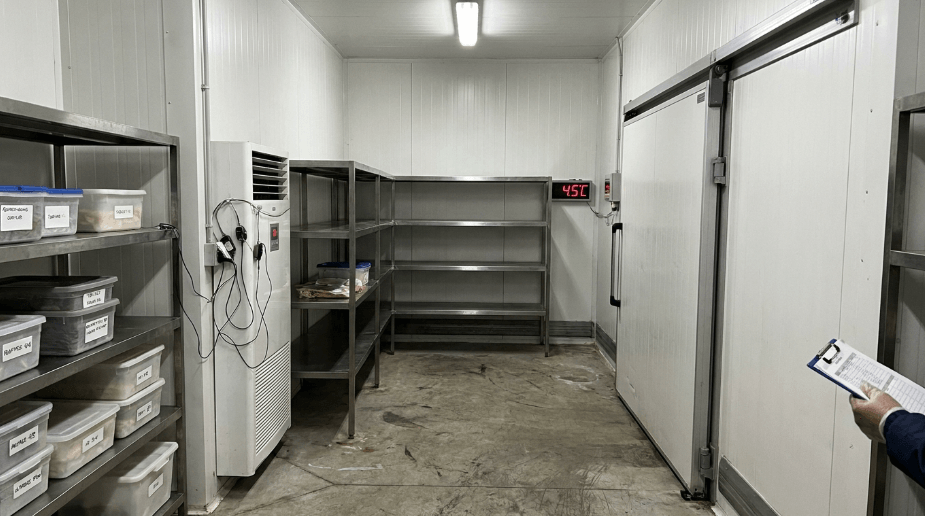
Cold storage no longer sits quietly in the background of advanced production. In pharmaceuticals, biotech, food processing, and high-spec manufacturing, temperature-controlled environments now play a direct role in product quality, compliance, and operational efficiency. A coldroom is not just a refrigerated space. It is a controlled setting where layout, airflow, hygiene, monitoring, and material handling must work together without compromise.
As production standards rise, companies should treat coldroom planning as a strategic decision rather than a late-stage facility upgrade. A poorly designed solution creates bottlenecks, raises energy use, and increases the risk of temperature deviations. A well-designed setup supports stable workflows, protects sensitive materials, and helps teams maintain strict process discipline.
More than temperature control
When people think about a coldroom, they often focus on one number: the target temperature. In reality, performance depends on far more than cooling capacity. Door placement, insulation quality, internal zoning, shelving configuration, access control, and cleaning routines all affect how well the room supports daily operations.
This is where GMP Coldroom enters the conversation in a meaningful way. In regulated environments, the design must support Good Manufacturing Practice principles from the ground up. That means the room should not only stay cold, but also remain easy to sanitize, simple to monitor, and reliable under constant use. The best solutions reduce risk before it reaches production.
Why regulated environments demand smarter design
Pharma and biotech facilities face a demanding balance. They need to protect temperature-sensitive materials while also documenting every critical condition. That requires more than refrigeration hardware. It requires a system built for validation, consistency, and traceability.
A modern coldroom should support clear workflows for people and materials. Staff should move in and out efficiently without causing unnecessary temperature fluctuations. Products should remain organized and accessible. Sensors should provide dependable data, and alarms should help teams respond before small issues become serious problems.
In this setting, design details matter. Smooth internal surfaces improve cleanability. Well-planned lighting supports safe handling. Efficient airflow helps maintain even conditions across storage zones. These features may seem technical, but they directly affect uptime, compliance, and product integrity.
The link between efficiency and reliability
Energy costs continue to influence facility planning, yet efficiency should never come at the expense of reliability. The strongest coldroom concepts deliver both. They reduce waste through better insulation, smarter cooling control, and layouts that limit heat gain during access. At the same time, they maintain the stable environment required for critical goods.
This balance matters because downtime is expensive. If a coldroom fails, the impact reaches far beyond repair costs. Delayed batches, compromised materials, and disrupted schedules quickly turn a technical issue into a business problem. For that reason, decision-makers should look at coldroom investment through the lens of resilience as much as performance.
A practical priority for future-ready facilities
As manufacturing becomes more data-driven and quality-focused, support infrastructure deserves more attention. Coldrooms are part of that shift. They are no longer simple utility spaces tucked behind the main process line. They are active contributors to quality assurance and operational control.
Companies that plan ahead should see coldroom design as an opportunity to strengthen the entire production environment. Better storage conditions support better outcomes, and better outcomes begin with spaces built for the realities of modern manufacturing.