Restaurants and catering businesses depend on ingredients that can support consistent preparation, predictable portion sizes, and dependable service. Beef is a popular menu ingredient because it can be adapted to many cuisines and cooking methods. It can be served as a grilled main course, incorporated into noodles, prepared in a slow-cooked sauce, or used as a filling for wraps and sandwiches.
However, purchasing meat for a professional kitchen involves different considerations from buying ingredients for a single household meal. Menu planning, customer demand, storage capacity, delivery schedules, food safety, and portion control all influence the purchasing decision.
A structured approach helps food businesses balance quality with operational efficiency while maintaining suitable handling standards.
Begin With the Menu Requirements
Before selecting products, review the dishes the kitchen expects to prepare. Different recipes require different cuts, portion sizes, and preparation methods.
A steak-focused menu may require cuts suitable for high-heat cooking, while a curry restaurant may rely on beef appropriate for longer cooking times. A catering company serving a buffet may need ingredients that can be prepared in larger batches and portioned consistently.
The menu should determine the purchase rather than the other way around. Buying a large quantity of an unsuitable cut can create unnecessary work and reduce the value of the inventory.
Match cuts to cooking methods
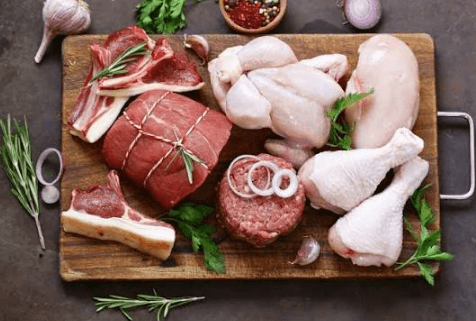
Tender cuts are often suitable for grilling or quick pan cooking, while cuts containing more connective tissue may work better in braises and stews.
For stir-fried dishes, appropriately sliced beef can reduce preparation time and help achieve an even result. For slow-cooked recipes, pieces of similar size generally cook more consistently.
Kitchen teams should test new products before introducing them into a high-volume menu. A trial can reveal differences in trimming requirements, cooking yield, texture, and customer acceptance.
Standardize portion sizes
Standard portions make it easier to calculate purchasing quantities and maintain consistent presentation. They also help kitchen managers estimate food costs per serving.
Use a documented recipe that specifies the quantity of beef, seasoning, accompanying ingredients, and cooking method. Staff training and suitable measuring tools can help maintain consistency across different shifts.
Forecast Demand Before Ordering
Demand forecasting helps restaurants avoid both shortages and excessive stock. Sales records, reservations, seasonal patterns, special events, and menu promotions can all provide useful information.
A restaurant serving a popular beef dish every day may need a regular supply, while an event caterer may require a large quantity for a specific date. Each operation needs a purchasing schedule suited to its business model.
Review historical sales
Past sales can help estimate future requirements, although managers should account for changes in menu popularity and customer numbers.
If a beef dish sells significantly more during weekends, stock levels can be adjusted accordingly. If demand declines after a promotion ends, purchasing should reflect the new pattern.
Account for preparation yield
The amount purchased is not always the same as the amount served. Trimming, portioning, and cooking can change the usable quantity.
Test recipes and record the actual yield so that purchasing estimates are based on realistic results. This is especially important for catered events where running short can disrupt service.
Maintain an appropriate buffer
Some operations keep additional inventory to manage unexpected demand or delivery delays. The buffer should be based on realistic risk rather than excessive caution.
Too much stock can place pressure on freezer capacity and increase inventory costs. Too little can lead to emergency purchases at unfavorable prices. A balanced approach considers supplier reliability, consumption patterns, and available storage space.
See also: Space Technology and Humanity
Frozen Products in Professional Kitchens
Frozen beef can be useful for restaurants and caterers when products are handled correctly. It allows ingredients to remain available for planned service dates and can help kitchens separate purchasing from immediate preparation.
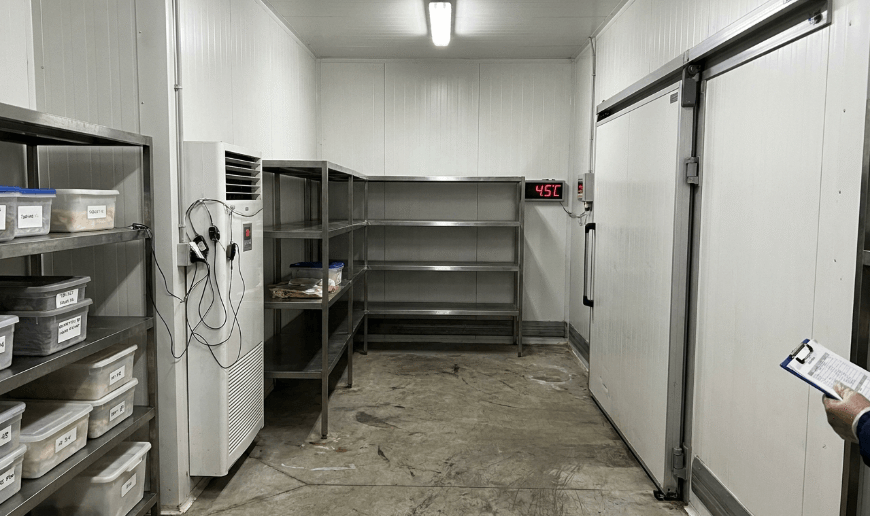
For long-term frozen storage, maintaining a temperature of 0°F (-18°C) or below is a widely used recommendation. Packaging and temperature stability are important for preserving quality.
Organize stock by product and date
Store packages in designated locations and label them clearly. Records should identify the product, quantity, and relevant dates so that staff can rotate inventory effectively.
Avoid placing unmarked portions into the freezer. Unclear labels can lead to confusion about the cut, intended use, and storage history.
Protect the cold chain
The cold chain refers to maintaining suitable temperature conditions during storage and transportation. Commercial buyers should understand how deliveries are handled and how products should be received.
Check packaging and delivery conditions when stock arrives. If there are concerns about temperature abuse or damaged packaging, follow the business’s food safety procedures rather than assuming the product is acceptable.
Plan thawing around service
Thawing should be scheduled according to package size and expected demand. Refrigerator thawing is generally preferred because it maintains a controlled, cold environment.
Place raw meat in containers that prevent juices from contacting other foods. Do not leave beef on counters to thaw at room temperature.
If a quicker thawing method is used, follow recognized food safety guidance and cook the product promptly where required. Staff should understand these procedures before busy service periods begin.
Maintaining Food Safety in a Busy Kitchen
Professional kitchens need procedures that remain practical even when service is demanding. Raw beef should be stored securely and separated from ready-to-eat ingredients.
Use designated equipment or appropriate cleaning and sanitizing procedures for knives, boards, preparation surfaces, and utensils. Employees should wash their hands after handling raw meat and before touching other food.
Cooking temperatures should be checked using a suitable food thermometer. The correct target depends on the product and preparation method, so staff should follow recognized food safety requirements for whole cuts, ground beef, and other preparations.
Cooked food should not remain at room temperature for prolonged periods. Divide large quantities into suitable containers for rapid cooling and refrigerate them promptly according to food safety procedures.
Regular staff training helps turn these requirements into routine practice. Written procedures, temperature records, and clear responsibilities can make food safety more reliable across shifts.
Evaluating Suppliers and Product Information
Supplier selection should consider more than the advertised price. Consistent product specifications, reliable delivery, clear packaging information, and responsive communication can all influence kitchen operations.
Buyers should verify the information relevant to their business, including product description, origin where provided, storage requirements, pack sizes, and applicable food safety documentation.
Restaurants comparing frozen beef hong kong can examine the available products and determine which options fit their menu, storage facilities, and purchasing schedule.
Before placing a larger order, businesses may wish to test a manageable quantity and evaluate its performance in their recipes. This provides an opportunity to assess portioning, preparation time, cooking yield, and final presentation before changing regular purchasing arrangements.
Frequently Asked Questions
1. How can restaurants reduce beef purchasing costs?
Use accurate sales forecasts, standardize portion sizes, monitor cooking yield, and avoid purchasing more inventory than the kitchen can use safely. Compare products according to their usable value rather than price alone.
2. Is frozen beef practical for catering events?
It can be practical when storage capacity, delivery conditions, thawing time, and food safety procedures are planned in advance. The product should be suitable for the menu and the event’s preparation schedule.
3. What should a restaurant check when receiving a beef delivery?
Review the product description, packaging condition, quantity, relevant dates, and temperature conditions according to the business’s receiving procedure. Record and investigate any discrepancy before adding the stock to normal inventory.
Conclusion
Successful beef purchasing begins with the menu and continues through forecasting, receiving, storage, preparation, and service. Restaurants and catering businesses can improve consistency by selecting appropriate cuts, standardizing portions, and matching inventory to realistic demand.
Frozen products may provide useful scheduling flexibility when the cold chain is maintained and staff follow safe handling procedures. Combined with reliable supplier communication, clear inventory records, and tested recipes, a structured purchasing process helps professional kitchens manage costs while delivering dependable meals to customers.